Leasing a Warehouse in South Florida: A Practical Location Guide
Share
South Florida can be a useful base for businesses serving local customers or moving goods through regional transport networks. The right location depends on your daily routes, the space you need, and how the building supports your operation. A familiar city name alone is not enough to choose a warehouse.
Start with the customers and suppliers you actually serve
List your busiest delivery destinations, supplier pickup points, and the places your team travels to most often. Compare each candidate address against that list. A warehouse near your largest customer may be more useful than one near a transport hub you rarely use.
For a local service business, test the first and last trips of a typical working day. For distribution, compare inbound deliveries and outbound routes separately. Check weekday travel conditions at the times your vehicles will actually move, including tolls and access roads.
Match port access to your freight needs
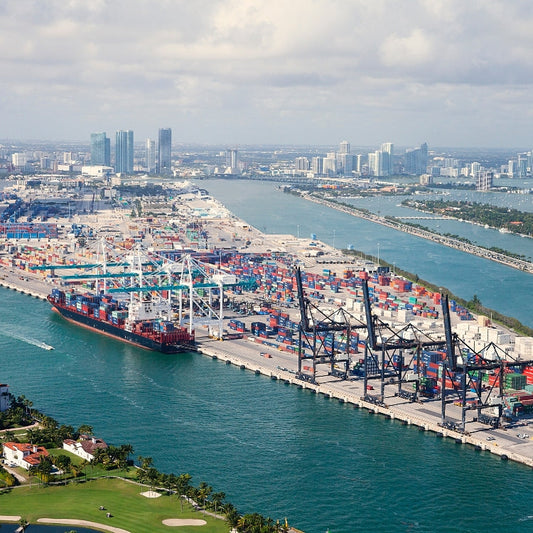
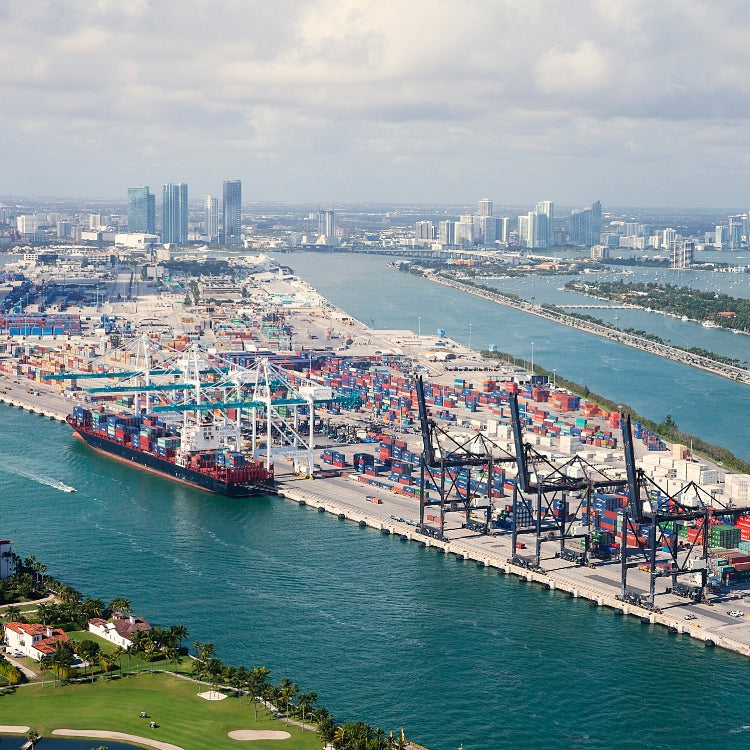
South Florida has established cargo facilities, including PortMiami and Port Everglades. Their official cargo pages provide information about services and connections. That regional infrastructure is useful context, but it does not prove that a particular property has convenient truck access or a short journey to a terminal.
Ask your carrier which terminal and route it uses, what vehicle arrives, and how deliveries are scheduled. Then test the route to the exact property. Include waiting time, gate access, unloading arrangements, and any restrictions the landlord identifies.
Compare cities, then compare individual buildings
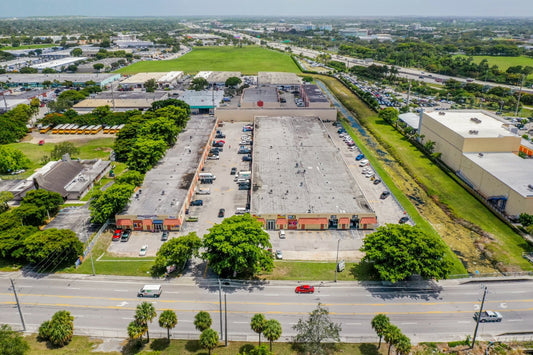
Start with our Miami, Hialeah, and Plantation collections. Use the city guides to understand the area and property listings to investigate specific addresses. Listings in the same city can differ substantially in layout, access, parking, and available unit sizes.
Do not assume that a warehouse is suitable for manufacturing, automotive work, food handling, or customer visits because it is described as industrial. Explain your intended activity and ask the leasing team and relevant local authority what must be verified for that address.
Evaluate the building as part of the location decision
Bring a simple plan showing storage, work areas, circulation, loading, and any office needs. Check door dimensions, clear height, vehicle maneuvering space, utilities, and the condition of the unit. Ask which features belong to the available unit rather than the wider property.
Discuss weather-related operating concerns, drainage, building maintenance, and access during service interruptions. Record unanswered questions and request supporting information before making commitments.
Build a shortlist you can compare
- Choose two or three addresses that fit your main routes.
- Confirm current unit availability, size, intended use, and access.
- Request a written breakdown of proposed occupancy charges and responsibilities.
- Visit with your operational checklist and record the same details at each property.
Browse all properties, then send your preferred city, space requirements, vehicle needs, and target move-in date. Our team can help you identify the questions to resolve and arrange the next step. Availability and property suitability must be confirmed for each inquiry.